
Welding Electrods
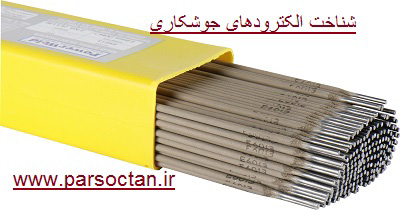
Welding Electrode Identification Training Course
Welding electrodes are one of the most important aspects of a professional welder’s skill set and a welding quality control engineer’s expertise. Understanding and selecting the proper electrode for a welding application is essential for achieving high-quality welds.
Choosing the correct electrode is the first requirement for proper welding. Failure to do so can lead to an increase in welding defects and reduced weld quality.
This training manual provides a comprehensive review of welding electrodes in accordance with international standards and classifications.
Course Contents
- History of Welding Electrodes
- Types of Electrodes – Electrode Core Wire Types
- Electrode Classification by Material and Composition
- Types of Plain Carbon Steels
- Classification of Copper Alloys
- Functions of Electrode Coatings
- Common Materials Used in Electrode Coatings
- Coating Elements and Their Functions
- Types of Electrode Coatings (Rutile, Basic, etc.)
- Properties of Electrode Coatings
- High-Efficiency Electrodes
- Practical Characteristics and Applications of Electrodes
- Electrode Identification According to the Following Standards:
- ISO 2560
- DIN EN 499
- Electrode Classification According to AWS Standards
- Electrode Coating Types and Their AWS Codes
- Low-Hydrogen Electrodes
- Stainless Steel Electrodes
- Electrode Identification by Color Coding
- Cast Iron Welding Electrodes
- Copper and Copper Alloy Welding Electrodes
- Electrode Packaging, Storage, and Reconditioning (Drying)
- Factors Affecting Electrode Size Selection
- Electrode Manufacturing Process
| Format | |
| Language | Farsi |
| Pages | 59 |
| Keywords | Welding+ Electrodes |