
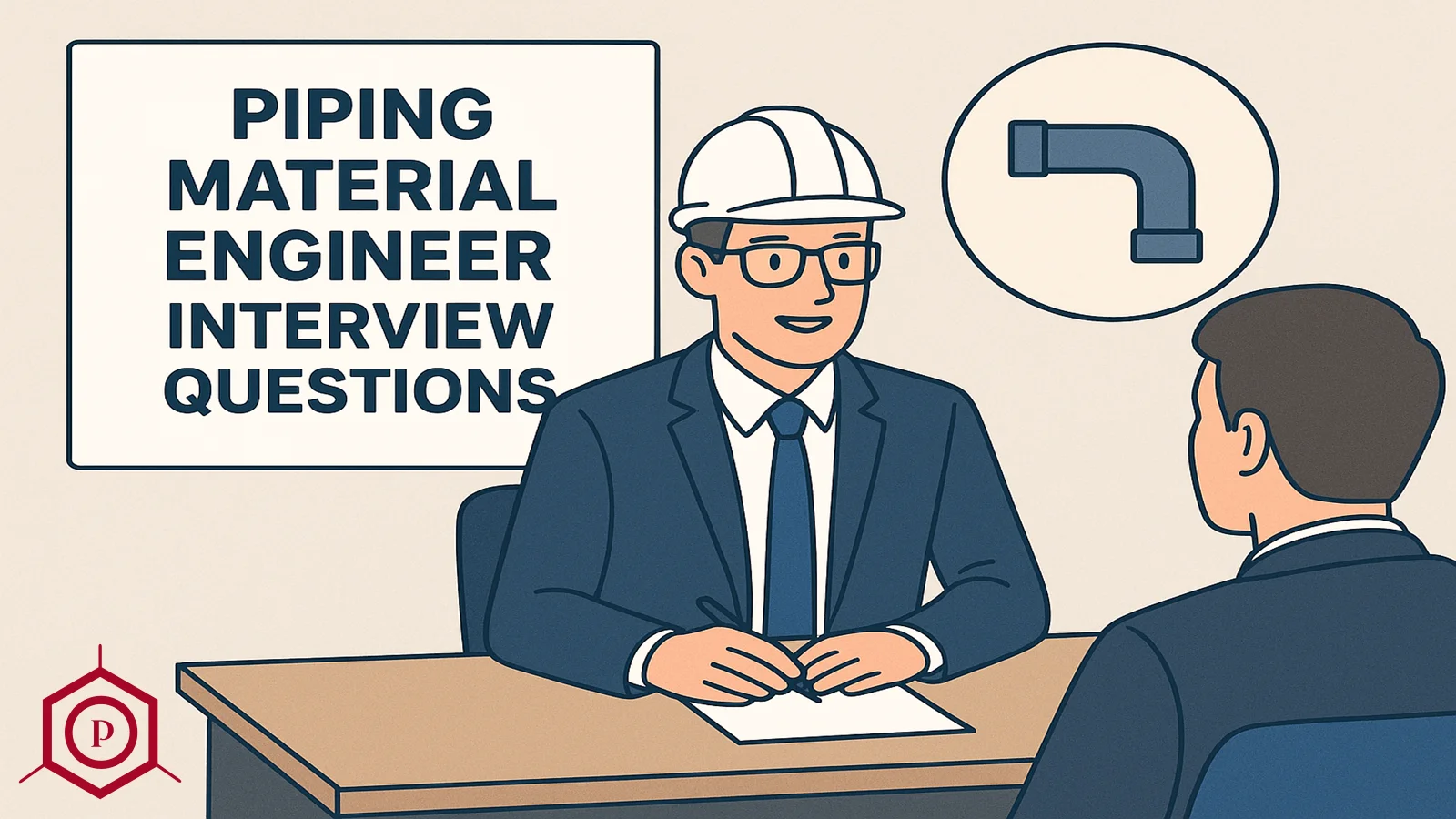
Piping material engineers play a vital, yet often overlooked, role in oil and gas, petrochemicals, power plants, and other heavy industries. (Read More About: What is Piping Material? )
Their core responsibility is to ensure the safety, durability, and reliability of complex piping systems. By carefully selecting, inspecting, and managing materials—including pipes, fittings, flanges, valves, and gaskets—they ensure every component can withstand extreme operational pressures and environmental conditions.
What Does a Piping Material Engineer Do?
These engineers specialize in the selection, evaluation, and management of materials used in piping systems, including:
- Pipes
- Fittings
- Flanges
- Valves
- Gaskets
They must ensure that each component can withstand operational pressures, temperatures, and environmental conditions. Typically, a Piping Material Engineer holds a degree in Mechanical Engineering, Metallurgy, or Chemical Engineering and works in refineries, offshore platforms, chemical complexes, and power plants.
Why Are They Essential?
- Safety: Preventing leaks, bursts, and catastrophic failures.
- Cost Efficiency: Choosing materials that balance performance with affordability.
- Longevity: Extending the lifespan of equipment through proper material selection.
- Compliance: Ensuring adherence to international standards like ASME, ASTM, and NACE.
Their involvement during the engineering design phase of projects is indispensable.
If you are preparing for an interview, being ready to answer complex, technical questions is essential for your success.
Top Piping Material Engineer Interview Questions
To help you prepare, we have compiled a list of the most frequent technical questions faced by candidates in this field:
Technical & Design Questions
- What were your primary responsibilities in your previous role?
- Have you performed pipe wall thickness calculations? What is the formula according to ASME B31.3?
- What do the factors E (Quality Factor) and W (Weld Joint Strength Reduction Factor) represent, and which parameters influence them?
- What is Mill Tolerance, and is it always 12.5%?
- What is Corrosion Allowance, and who is responsible for specifying it?
- What critical factors must be considered for vacuum service?
- What is the difference between a Piping Material Specification (PMS) and a Piping Class?
- What information is included in a PMS, and what are its key inputs?
- What is the difference between Stub-in and Stub-on connections, and which is structurally superior?
Material Selection & Standards
- Which materials are typically used for low-temperature (e.g., -46°C) or cryogenic services?
- What are the primary standards governing valves and flanges?
- How do Carbon Steel (CS), Low-Temperature Carbon Steel (LTCS), Stainless Steel (SS), and Duplex (DSS) differ, and in what conditions should each be selected?
- Why is the NACE MR0175 standard critical when selecting materials for sour service (H₂S)?
- What is Positive Material Identification (PMI), and how is material traceability ensured in a project?
- What criteria are used to select gaskets for high-pressure and high-temperature services?
Project Management & Execution
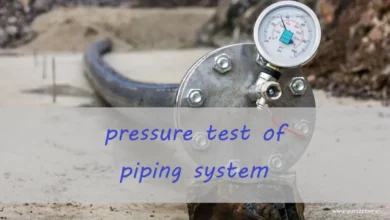
- How are hydrostatic and pneumatic test pressures calculated for piping?
- What is your role in MTO (Material Take-Off), BOQ (Bill of Quantities), and BOM (Bill of Materials) processes?
- What is the distinction between ASTM and ASME specifications for piping materials?
- How is piping material procurement and control managed in Brownfield Revamp projects?
Skills That Set You Apart
- Mastery of international standards (ASME, ASTM, NACE, API).
- Familiarity with 3D design software.
- Ability to collaborate with process, mechanical, and procurement teams.
- Strong problem-solving and analytical skills.
Final Thoughts for Aspiring Engineers
Passing a Piping Material Engineer interview requires more than just textbook knowledge; it requires mastery of international codes and standards (ASME, ASTM, API, NACE), familiarity with 3D design software, and the ability to collaborate seamlessly with process, mechanical, and procurement teams.
Are you a Piping Material Engineer or a Material Man? We would love to hear from you! Which of these questions did you face in your last interview, or what other technical challenges have you encountered? Share your experience in the comments below!

Leave a Reply